
Although allergic reactions to dental materials are uncommon, they can occur either during or after dental procedures. Recognizing the signs and symptoms early can help you manage potential issues swiftly and protect your oral health.
This article outlines common allergic responses to dental materials and offers guidance on how to communicate with your dental professional. Understanding how your body reacts is essential to ensuring a safe and effective dental experience.
key takeaways
- Common allergic reactions to dental materials include swelling, redness, and itching around the mouth or gums.
- Persistent pain or irritation from dental work may signal an allergic response to materials like fillings or braces.
- Consult your dentist if you experience any signs of an allergic reaction to find safer alternatives for your dental care.
The Chemical Compass: Identifying Allergens in Dental Materials
Certain dental materials may contain allergens that can trigger sensitivities in susceptible individuals. Common culprits include latex (used in gloves and dams), nickel (found in some metal crowns or braces), and specific resins in composite materials.
Identifying these allergens helps patients and dentists choose safer, compatible alternatives.
“Keeping a record of past reactions to dental or medical materials can be incredibly valuable for identifying patterns and avoiding allergens in future treatments.” – Dr. Muhammad Hamdan, Dentist in Calgary, AB
Common Dental Materials and Their Allergenic Potential
Symptoms of allergic reactions to dental materials may include localized redness, swelling, itching, or hives around the gums and lips. In rare cases, systemic symptoms like facial swelling or difficulty breathing may occur, indicating a more serious reaction such as anaphylaxis.
More severe reactions may lead to systemic symptoms such as difficulty breathing or swelling of the face and lips. Pay attention to how your body reacts following dental procedures, as these symptoms can provide vital clues about your sensitivity to specific materials.
Immediate vs. Delayed Response: Timing is Key
Allergic reactions can occur immediately or may take time to develop, making timing a critical factor in recognizing them. Immediate reactions typically happen within minutes to a couple of hours after exposure, presenting noticeable symptoms like swelling or hives.
Delayed reactions may take several days to appear, making it harder to identify the responsible material. Understanding the timing of your symptoms can assist in discussing your condition with a dental professional more effectively.
“If you experience delayed reactions to dental materials, keeping a detailed symptom diary—including timing and potential triggers—can help guide your dentist toward safe and effective alternatives.” – Dr. Muhammad Hamdan, Dentist in Calgary, AB
Recognizing Oral Manifestations: Signs Around the Gums and Mouth
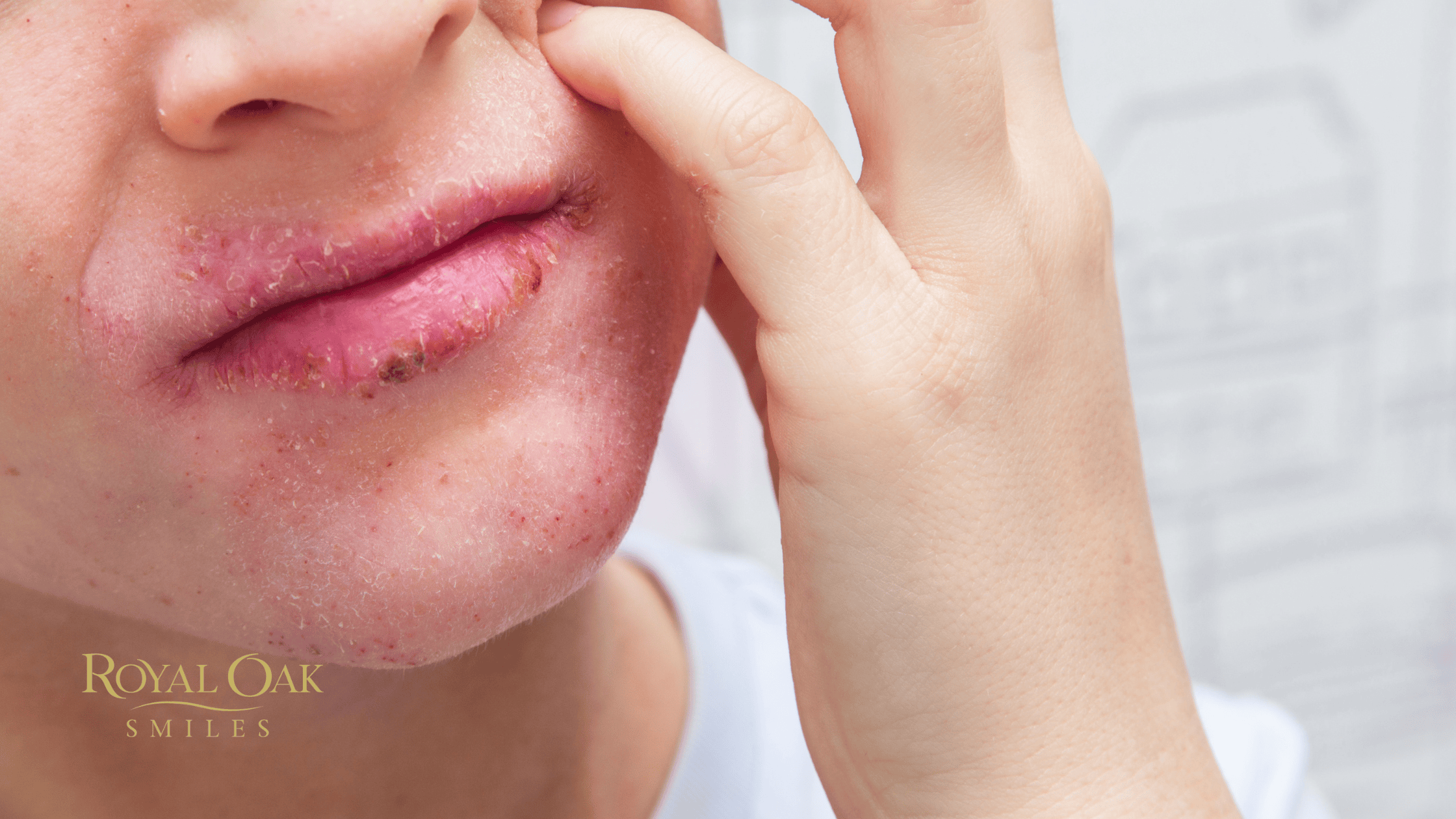
Changes in the oral environment can frequently signal an allergic response. You might notice swelling of the gums, redness, or even the development of blisters in severe cases. Additionally, symptoms like oral itching or a burning sensation are common.
Conditions such as contact dermatitis may arise, leading to skin reactions on the lips or surrounding areas. Being aware of these specific manifestations can help you address potential allergies promptly.
Swollen gums, persistent irritation, or blistering may be signs of a contact allergy to dental components such as composite resins or metal alloys. Nickel, in particular, is a known allergen found in some orthodontic and prosthetic devices.
Monitoring any changes in your mouth is beneficial, as these signs can assist you and your dentist in determining the cause and, if necessary, seeking alternative materials.
Diagnosis Demystified: Testing for Allergies to Dental Components
Recognizing an allergy to dental materials can be perplexing, but diagnostic testing offers clarity. Healthcare providers typically initiate the process with a thorough patient history, followed by specific tests designed to identify allergic responses.
Skin and blood tests can help detect sensitivities to materials such as latex, nickel, or methacrylate resins. Documenting your symptoms and timing post-treatment can also provide necessary information to help narrow down potential allergens.
Patch Testing: What to Expect
Patch testing is a common method used to identify allergens that may trigger your dental sensitivities. During this procedure, small quantities of suspected allergens are applied to patches that are then placed on your skin, typically on your back.
You’ll wear these patches for 48 hours, during which time your healthcare provider will assess any reactions. After the test period, you’ll have a follow-up appointment to evaluate the results and determine any allergic reactions.
In Canada, referrals to dermatology or immunology specialists may be required for comprehensive testing.
This process can help pinpoint specific materials that you need to avoid in future dental work.
Understanding Sensitivity Tests: Interpreting Your Results
Interpreting the results of dental sensitivity or allergy tests can help determine how your body may react to specific materials commonly used in dental treatments. These tests often categorize responses as negative, positive, or equivocal, offering insight into potential allergic or hypersensitivity reactions.
For example, a strong positive reaction to nickel may prompt your dental provider to avoid materials containing this metal—such as certain stainless steel instruments, orthodontic brackets, or metal-based crowns. Understanding these nuances allows your dental professional to tailor treatment plans with safer alternatives, such as ceramic or nickel-free options.
It is essential to maintain open communication with your dental provider about your test results and their relevance to your treatment. If you test positive for specific allergens, learning about their common presence in dental materials—like latex, eugenol, or methacrylates—can help you and your provider choose suitable materials that reduce the risk of adverse reactions.
Navigating Treatment Options: What to Do if You’re Allergic
Upon discovering you have an allergy to certain dental materials, it’s vital to explore treatment options designed to alleviate your discomfort and ensure your dental care continues safely. Consult your dentist about your specific allergies and discuss alternative methods.
In some cases, your dentist may refer you to a prosthodontist or specialist with experience in managing dental allergies and selecting hypoallergenic materials. Together, you can develop a comprehensive implant or restorative plan that utilizes materials that are compatible with your unique biology.
Alternative Dental Materials: A Look at Biocompatible Choices
Exploring biocompatible dental materials can significantly enhance your oral health while reducing the risk of allergic reactions. Options include ceramic crowns, zirconia-based restorations, and titanium implants, which are generally considered biocompatible and low-reactivity.
“By prioritizing biocompatible materials, we minimize allergic risks and create long-lasting restorations that align seamlessly with the body’s natural biology.” – Dr. Muhammad Hamdan, Dentist in Calgary, AB
Utilizing these materials helps minimize exposure to harmful agents, lessening allergic responses and ensuring a more pleasant dental experience. It’s imperative to discuss these biocompatible options with your dentist to determine the best choice for your needs and lifestyle.
Managing Reactions: Immediate Care and Long-Term Strategies
Taking proactive steps for managing allergic reactions involves both immediate care and long-term planning. If you experience a mild reaction, antihistamines or topical treatments may provide quick relief.
It’s also advisable to have a clear action plan in place, detailing the steps you’ll take should a more severe reaction occur. Long-term strategies involve ongoing communication with your dentist and regularly updating them about your allergies and any new reactions.
Understanding how to manage allergic reactions effectively is key to your long-term dental health. In addition to having a straightforward allergy management plan, regular check-ins with your dentist can allow you to identify any new sensitivities early on.
For severe allergic reactions, carrying an epinephrine auto-injector and educating your dental team about your allergies will ensure that you receive prompt care. Collaborating with your healthcare professionals is an effective way to navigate your dental health journey while minimizing risks associated with allergic reactions.
Always inform your dental office of any known allergies before treatment; many Canadian dental clinics keep this information on file as part of standard patient intake procedures.
The Importance of Communication: Advocating for Your Health in the Dentist’s Chair
Effective communication with your dentist is vital for managing any potential allergic reactions to dental materials. Clearly communicate your medical history, including allergies to metals, latex, or medications, to ensure your treatment plan reflects your health needs.
This dialogue enhances your safety and empowers you as a patient, allowing for informed decisions regarding your oral health.
Preparing for Your Appointment: Essential Questions to Ask
Before your dental appointment, consider formulating key questions to discuss with your dentist. Ask about the composition of materials planned for your treatment, and request alternatives if you have a known allergy.
To make informed dental care choices, you must understand these materials’ composition and effects.
Building a Collaborative Relationship with Your Dentist
Establishing a collaborative relationship with your dentist fosters an environment where you feel comfortable discussing your health concerns. Sharing your experiences and preferences allows your dentist to better tailor treatments to your specific needs.
This partnership not only enhances your dental journey but can also lead to proactive measures against any potential allergic reactions, increasing overall oral health outcomes.
Regular check-ins allow your dentist to adjust materials or procedures as needed to ensure your long-term comfort and safety. This ongoing communication helps them stay informed and ready to adapt your treatment approach if necessary.
Building trust is vital; let your dentist know how you feel about certain materials or procedures. When both you and your dentist work together as a cohesive team, your chances of avoiding allergic reactions and achieving optimal oral health greatly increase.
Conclusion
In summary, recognizing an allergic reaction to dental materials involves monitoring for symptoms like swelling, redness, itching, or oral irritation following treatment. If you suspect an allergy, promptly communicate with your dental provider. They can help identify the trigger and recommend safer alternatives to support your oral health.
Concerned About a Possible Dental Allergy?
If you’ve experienced unusual symptoms after a dental procedure—such as swelling, itching, or burning sensations—don’t wait to get it checked. The team at Royal Oak Smiles in Calgary is here to help you identify the cause and find safe, effective alternatives.
Contact us today or visit us at 500 Royal Oak Dr NW #112 to schedule a consultation. Your comfort and safety are our priority.
Reviewed by: Dr. Muhammad Hamdan